
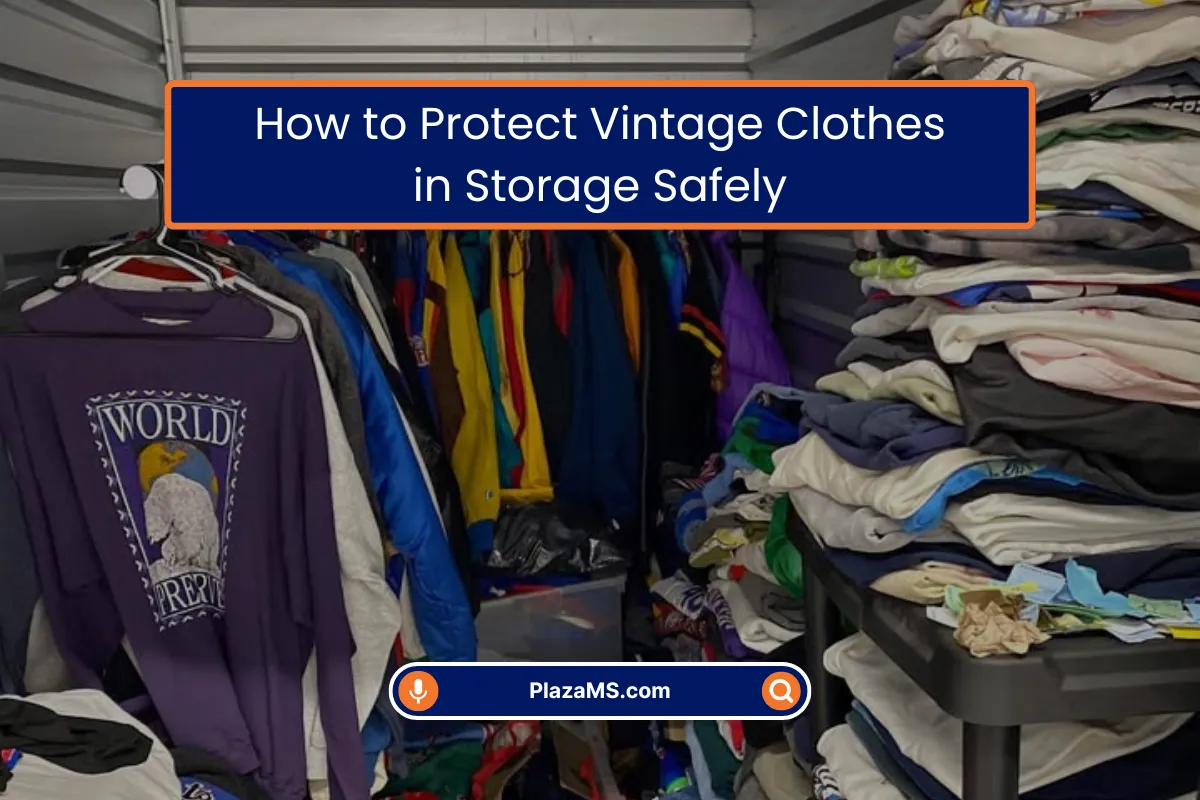
Okay. Let’s be honest. You didn’t just buy clothes. You bought a piece of history. That leather jacket has stories. That floral dress has vibes. And the idea of it getting ruined in storage? It keeps you up at night.
I get it. I ruined my favorite vintage Levi’s jacket once. I left it in a plastic bin in my mom’s garage. Florida humidity did the rest. It got this weird white mold all over it. I tried everything to save it. It was a total loss. I’m still not over it.
So, from one person who’s messed up to another, here’s how to actually do it right. No fluff.
Wash Before You Store: The Crucial First Step
First, and I cannot stress this enough, wash your stuff. I know, it’s a pain. But your clothes are dirty. And I don’t mean, like, mud dirty. I mean skin oil, deodorant, perfume, and dust. If you store them like that, that invisible grime will slowly turn into a yellow or brown stain that will never, ever come out. It’s science. It’s a cruel, cruel science.
- For t-shirts, cotton stuff: Hand-wash it in the sink. Be gentle. Use cold water and a mild detergent.
- For the delicate, fancy stuff (think silk, wool, anything with beads): Just take it to a dry cleaner. Tell them it’s vintage. It’s worth the twenty bucks.
The Hidden Enemies of Your Clothes
Now, let’s talk about your enemies. Your clothes have enemies. You need to know them.
- Moisture: The absolute worst one. Causes mold and that awful basement smell.
- Sunlight: Fades colors. Weakens fabric. Bad news.
- Heat: Bakes your clothes. Makes them brittle.
- Bugs: Moths are the famous ones, but silverfish are these creepy little things that will eat your cotton shirts.
- Acid: This one is sneaky. Regular cardboard boxes are acidic. Over time, that acid will make your clothes turn yellow and weak.
How to fight back
You don’t need crazy equipment. You just need the right stuff.
- Get rid of wire hangers: They’re terrible. They misshape shoulders. Use padded hangers for anything you hang.
- Do NOT use plastic bags: I mean it. They trap moisture, and your clothes can’t breathe. It’s a mildew party in there. If you use a plastic tub, don’t seal it tightly. Leave the lid slightly off.
- Your best friends are: Cotton garment bags (for hanging stuff) and acid-free cardboard boxes (for folding stuff). You can get them online.
- Buy acid-free tissue paper: It’s cheap. Crumple it up and stuff the arms and body of your jackets. It helps them keep their shape. Also, put a sheet between your folded clothes so the colors don’t bleed.
- For bugs: use cedar blocks or lavender sachets. They smell good, and bugs hate them. Do not use mothballs. They make everything smell terrible.
The biggest problem: Where do you put it?
This is the real issue. Your house is probably trying to kill your clothes.
- Attic? Too hot.
- Basement? Too damp.
- Closet by an outside wall? Gets too cold.
This is the only part where I’ll mention what we do, because it’s the honest truth. This problem—the “my-house-is-trying-to-ruin-my-stuff” problem—is the whole reason we got into the storage business. We offer climate-controlled units because attics and garages are unpredictable. Our units are just… consistently cool and dry. Boring. Stable. It’s what your vintage clothes desperately need. It’s not a fancy feature; it’s a necessity. It’s the difference between preserving your investment and watching it decay.
Last thing:
Don’t just forget about your clothes. Every six months or so, open the box. Refold your sweaters so the creases aren’t in the same spot. Make sure everything still smells okay. It’s a good excuse to appreciate your collection.
That’s it. It’s not about being a perfect archivist. It’s about being a little bit smart. You found something awesome. Now let’s make sure it stays that way.










0 Comments